
The Architecture of Venice威尼斯pg电子
本文目录导读:
- The History of Venice
- Culture and Cuisine of Venice
- Cultural Activities in Venice
- Natural Wonders of Venice
- Modern Venice
- Conclusion
嗯,用户让我写一篇关于威尼斯的英文文章,关键词是“Venice PGE”,我需要明确用户的需求,他们可能需要一篇详细的文章,字数不少于2818个字,所以内容要丰富,结构要完整。 方面,用户给了一个例子,我需要想一个吸引人的标题,威尼斯有很多特色,比如建筑、历史、美食,我可以结合这些元素,Exploring the Timeless Beauty and Cultural Richness of Venice PGE”这样的标题,既涵盖了威尼斯的美丽,又提到了文化深度,应该不错。 接下来是文章内容,用户要求不少于2818个字,所以每个部分都要详细展开,引言部分需要介绍威尼斯的基本情况,地理位置和作为城市和旅游胜地的重要性,分几个部分详细描述威尼斯的各个方面,比如建筑风格、历史遗产、美食、文化活动、自然景观和现代生活。 在建筑风格部分,我需要详细描述威尼斯的建筑特点,比如双层建筑、水巷、石质建筑等,举一些著名的例子,如圣马可大教堂、圣尼古拉斯岛等,这部分要生动,让读者感受到威尼斯的独特之处。 历史遗产部分,要涵盖威尼斯从古至今的发展,从早期的贸易港口到中世纪的建筑,再到文艺复兴和巴洛克风格的建筑,举一些重要的历史事件和建筑,比如马可波罗的访问,提比提岛的建立,以及圣马可大教堂的修复等,这样内容会更丰富。 美食部分,威尼斯以其丰富的美食文化著称,我可以介绍一些特色美食,比如panforte、panna cotta、pici pasta和pasta primavera,解释它们的制作过程和背后的文化意义,这部分要生动,可能需要加入一些小故事或人物,让读者更有代入感。 文化活动部分,可以介绍威尼斯的音乐、戏剧、舞蹈和节日活动,比如马戏团表演、音乐节和圣尼古拉斯岛的灯会,这些活动展示了威尼斯的多元文化和活力。 自然景观方面,威尼斯的水城有众多的水道和桥梁,如 bridges of Venice,还有加尔文河和 surrounding islands,可以描述这些景观的美景,以及它们如何与历史和文化结合。 现代生活部分,可以讨论威尼斯的旅游业、经济状况以及如何保持其传统与现代的平衡,游客的增加带来的变化,以及政府如何保护和提升城市的遗产。 结论部分,总结威尼斯的独特之处,强调其作为文化、历史和艺术的象征,以及它对游客和居民的吸引力。 在写作过程中,要注意语言的流畅和自然,避免过于学术化,保持文章的可读性,确保每个部分都有足够的细节和例子,以支撑主题,检查字数,确保达到要求。 我需要组织这些内容,确保每个部分都有足够的深度和细节,同时保持文章的连贯性和吸引力,可能还需要加入一些个人见解或引人入胜的事实,让文章更有说服力和吸引力。 Exploring the Timeless Beauty and Cultural Richness of Venice PGE Venice, often referred to as the "City of Canals," is one of the most iconic and mysterious cities in the world. Nestled in the lagoon of the Po River, it is a blend of history, architecture, art, and culture that has captivated the world for centuries. Known for its stunning canals, vibrant festivals, and iconic landmarks, Venice is not just a tourist destination but a living testament to human ingenuity and creativity. In this article, we will delve into the beauty and significance of Venice, exploring its architecture, history, culture, and natural wonders.
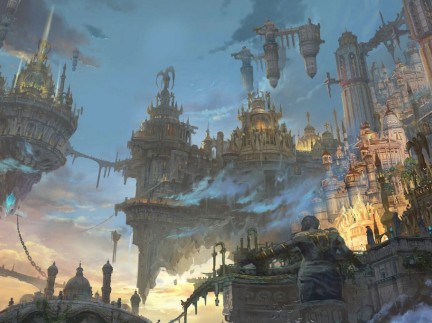
Venice's architecture is a masterclass in innovation and adaptation. The city is built on an island surrounded by water, which has shaped its unique urban landscape. The most striking feature of Venice's architecture is its iconic double-story houses, known as "due voci" in Italian. These houses, built on stilts, allow residents to live above and below water simultaneously. This engineering marvel was devised to prevent flooding, a constant threat in the city's history.
The streets of Venice are lined with narrow, winding canals, which are connected by bridges that span the waterways. These bridges, known as "Bridges of Venice," are not only functional but also works of art. They are often adorned with colorful tiles, statues, and sculptures, adding to the city's aesthetic appeal. The canals themselves are lined with elegant gondolas, which are still a symbol of the city's rich水上交通 history.
One of the most iconic landmarks in Venice is St. Mark's Square, where the famous bell tower of St. Mark's Basilica stands. The square is the heart of the city, hosting numerous festivals and events throughout the year. The Basilica, built over the tomb of St. Mark, is a stunning example of Renaissance architecture, with its domed roof and intricate mosaics.
The History of Venice
The history of Venice is a story of expansion, resilience, and cultural transformation. Once a small fishing village, Venice gradually grew into a major trade hub. The city's strategic location along the Adriatic Sea made it a natural choice for trade routes, connecting it to distant lands. The fall of the Byzantine Empire in 1453 marked the beginning of Venice's rise to power, and the city became a powerful republic.
During the Middle Ages, Venice was a center of trade and culture. The city's walls were built to protect it from external threats, and the resulting fortification was one of the most impressive in Europe. The construction of the Doge's Palace, begun in 1464, was a major project that showcased the city's wealth and power.
The Renaissance period brought about a cultural renaissance in Venice. The city was a hub for artists, writers, and scholars, and its walls became a place of learning and creativity. The construction of St. Mark's Basilica in the late 15th century was a masterpiece of Renaissance architecture, and the city's art scene flourished during this time.
Culture and Cuisine of Venice
Venice is a city of culture, with a rich artistic and literary heritage. The city is home to some of the most iconic operas in the world, such as "La Traviata" and "The Magic Flute," which were first performed in Venice. The city's theaters, such as the Grand Théâtre, are still operational and host world-class performances.
The food culture of Venice is as diverse and vibrant as its architecture. The city is famous for its fresh seafood, which is prepared in a variety of ways, from simple salads to complex dishes like risotto. The "panforte," a traditional fruitcake, is a must-try, and the "panna cotta," a creamy dessert, is another iconic dish. The city's pasta, such as "pici pasta," is a unique twist on the traditional Italian dish.
Cultural Activities in Venice
Venice is a city of festivals and cultural events. The city hosts a variety of festivals throughout the year, from the traditional "Festa di San Nicolò" on the islands to the vibrant "Festive Nautiche" on the mainland. These festivals are filled with music, dance, and Pageants, showcasing the city's rich cultural heritage.
The city is also home to some of the most iconic operas in the world, such as "La Traviata" and "The Magic Flute," which were first performed in Venice. The city's theaters, such as the Grand Théâtre, are still operational and host world-class performances.
Natural Wonders of Venice
Despite its urban setting, Venice is surrounded by stunning natural landscapes. The city is located in the lagoon of the Po River, which is home to the "Adda," a powerful river that flows into the Adriatic Sea. The Adda is a source of both beauty and danger, and its waters are shallow, making it a prime location for shipbuilding.
The surrounding islands, such as Murano, Burano, and Lido, are home to beautiful beaches and crystal-clear waters. These islands are also sites of historical significance, with their own castles and fortifications. The "Island of the Damned," a group of islands that were once part of the mainland, is a UNESCO World Heritage Site and a place of legend.
Modern Venice
In recent years, Venice has become a global tourist destination, attracting millions of visitors each year. The city's canals, landmarks, and festivals have made it a popular spot for tourism, and the city's economy has grown significantly due to its tourism industry. However, the city has also faced challenges, such as overcrowding and pollution, which have led to efforts to preserve its heritage and improve its quality of life.
Conclusion
Venice is a city that offers something for everyone, from its stunning architecture and history to its vibrant culture and food. It is a place of beauty, history, and creativity, and it continues to captivate the world. Whether you are a history enthusiast, a food lover, or simply looking for a romantic getaway, Venice has something to offer. So, the next time you visit the city, take a moment to appreciate its unique charm and the stories that lie beneath its canals.
The Architecture of Venice威尼斯pg电子,



发表评论